
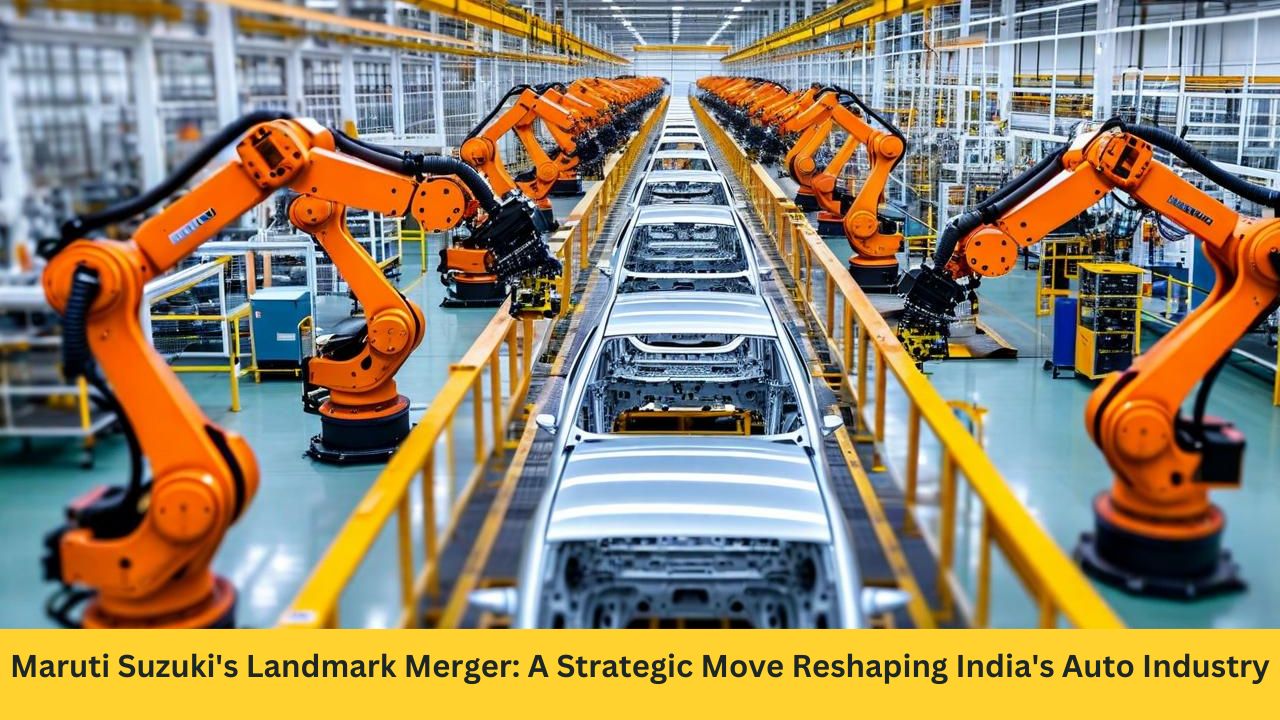
The automotive landscape in India witnessed a landmark transformation as the scheme of amalgamation of Suzuki Motor Gujarat (SMG), a wholly-owned subsidiary, into Maruti Suzuki India Limited (MSIL) became effective on December 1, 2025. This significant corporate restructuring is not merely a financial or legal maneuver but represents a strategic consolidation that promises enhanced operational efficiencies, financial muscle, and market leadership for India’s largest carmaker. As part of this merger, Maruti Suzuki’s authorized share capital has been increased substantially by ₹15,000 crore, an indicator of planned growth and investment horizon.
Background of Maruti Suzuki India and Suzuki Motor Gujarat
Maruti Suzuki India Limited is the flagship automotive company with a dominant presence in the Indian passenger vehicle segment for over four decades. It enjoys a strong brand equity backed by extensive product offerings and an unparalleled service network. Suzuki Motor Gujarat, established in 2014, is a strategic manufacturing arm located in Gujarat, set up to supplement Maruti’s production capabilities with state-of-the-art facilities focused on small car manufacturing and export-oriented production. Though fully owned by Maruti Suzuki India, SMG operated as a separate legal entity managing manufacturing, while MSIL handled sales and marketing.
The Rationale Behind the Merger
The amalgamation consolidates manufacturing and marketing under a single corporate umbrella, aiming to break silos and synergize resources more effectively. This streamlining is set to accelerate decision-making, reduce redundant administrative expenses, and foster scale economies within the manufacturing value chain. The operational integration augments production capacities, supply chain management, and inventory control, thus positioning the company better to respond to demand fluctuations and supply challenges.
Procedural Overview and Legal Approvals
The merger process commenced with the joint board approvals from Maruti Suzuki India Limited and Suzuki Motor Gujarat in early 2025, following which the National Company Law Tribunal (NCLT) granted its approval in multiple phases. The first motion order was passed in June 2025, waiving the requirement for stakeholder meetings, given the wholly-owned nature of the subsidiary. The final sanction arrived in November 2025 with an appointed date fixed as April 1, 2025, marking the accounting effective date of the amalgamation.
Increase in Authorized Share Capital
In line with this consolidation, Maruti Suzuki raised its authorized share capital by ₹15,000 crore to accommodate future equity issuances to fund expansion plans, technological advancements, and R&D initiatives. This capital increase underscores the company’s intent to invest heavily in new products, including electric vehicles, hybrids, and digital innovation, aligning with global automotive trends and Government of India’s push for sustainable mobility.
Impact on Employees and Corporate Structure
All employees of Suzuki Motor Gujarat immediately before the effective date have been seamlessly absorbed as employees of Maruti Suzuki India Limited, ensuring continuity and reinforcing the company’s commitment to workforce stability. The merger eliminates inter-company transactions and potential transfer pricing complexities, making organizational structure leaner and more transparent.
Financial Benefits and Market Performance Impact
Financially, the amalgamation is expected to bring about cost synergies through consolidation of administrative overheads and improved working capital management. The unified balance sheet will offer a stronger credit profile, improving borrowing capacity and investor confidence. Market analysts anticipate enhanced shareholder value driven by operational efficiencies and a larger consolidated asset base.
Production and Innovation Synergies
Unification of production facilities enables optimized capacity utilization, lowering per-unit manufacturing costs. Coordinated product development efforts and supply chain rationalization contribute to faster product rollouts and adaptation to market preferences. With Maruti Suzuki leading in new technology adoption, including electric vehicle platforms and connected car solutions, the merger is a strategic step to accelerate innovation.
Summary Table of Key Merger Facts
| Aspect | Details |
|---|---|
| Subsidiary Merged | Suzuki Motor Gujarat Pvt. Ltd |
| Parent Company | Maruti Suzuki India Limited |
| Effective Date of Merger | December 1, 2025 |
| Appointed Date (Accounting) | April 1, 2025 |
| Authorized Share Capital Increase | ₹15,000 crore |
| Regulatory Approval | National Company Law Tribunal (NCLT) |
| Employee Transition | SMG employees absorbed into MSIL |
| Strategic Benefits | Operational efficiency, cost synergies, expanded capacity |
| Future Focus | Electric vehicles, technology, market expansion |
Market and Industry Context
The Indian automotive industry is undergoing rapid transformation propelled by electrification mandates, environmental regulations, and changing consumer preferences. Maruti Suzuki’s merger with Suzuki Motor Gujarat places it in a favorable position to lead these changes given the consolidated resources and enhanced production flexibility. This move is likely to boost the company’s competitive edge against domestic and international rivals within India’s vibrant automotive market.
Conclusion
Maruti Suzuki’s merger with Suzuki Motor Gujarat is a landmark consolidation reflecting strategic foresight in an era of technological disruption and evolving market demands. It strengthens Maruti Suzuki’s balance sheet, streamlines operations, and prepares the company to accelerate innovation and growth. With a significant increase in authorized share capital and unified manufacturing and marketing arms, Maruti Suzuki is poised to maintain its leadership in the industry while embracing the challenges and opportunities of the future. This milestone is a key chapter in the company’s enduring journey as one of India’s most iconic automotive brands.

Marion (Ronnie) Serrano is a dedicated news writer focused on breaking stories, community issues, and real-time updates. With a strong eye for accuracy and clarity, Ronnie delivers reporting that informs and empowers readers. Passionate about public affairs and human-interest stories, Ronnie brings depth to every article. Outside the newsroom, Ronnie enjoys exploring new perspectives and engaging with local communities.