
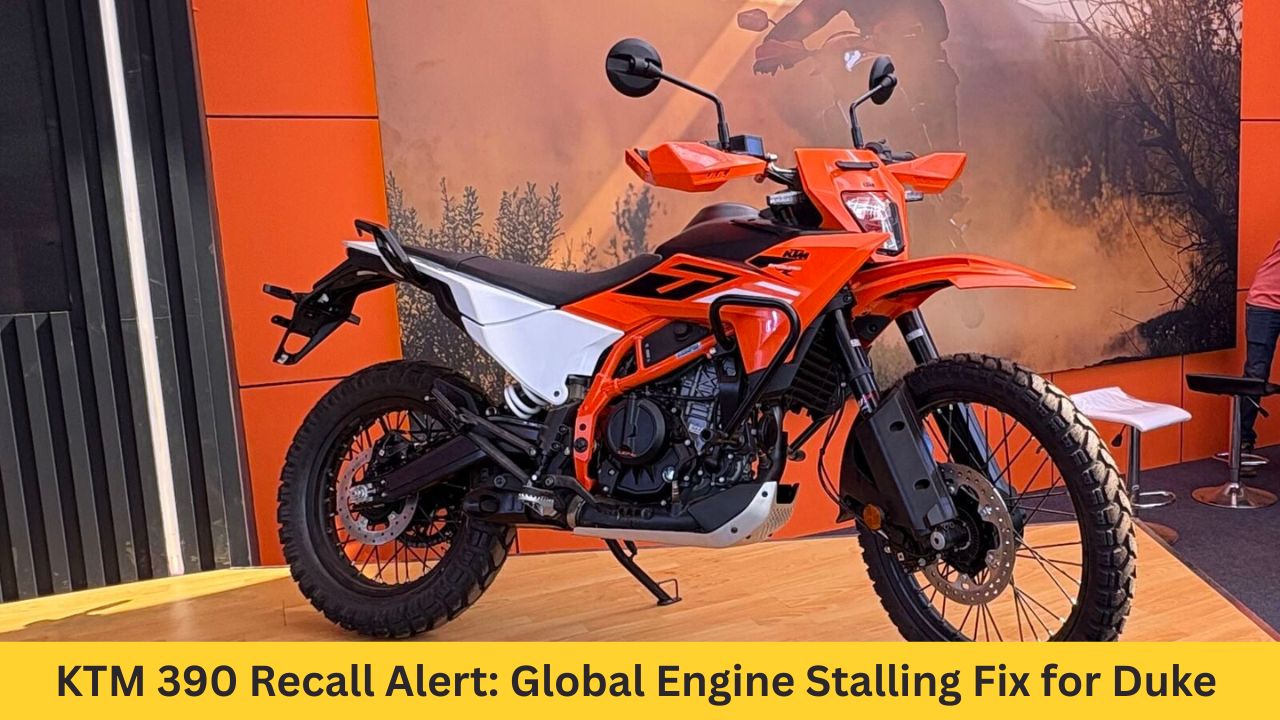
KTM, the renowned Austrian motorcycle manufacturer, has launched a worldwide voluntary recall affecting multiple models in its popular 390 series. The issue centers on a potential engine stalling problem that could occur at low speeds or during deceleration, posing significant safety risks to riders. Affected motorcycles include the 2024-2026 KTM 390 Duke, as well as the 2025-2026 versions of the 390 Enduro R, 390 SMC R, 390 Adventure R, and 390 Adventure X. This recall comes just weeks after another for fuel cap issues on select Dukes, highlighting KTM’s proactive stance on quality control amid growing scrutiny from riders and regulators.
The stalling risk stems from a software glitch in the engine control unit (ECU), identified during extensive internal testing. In rare instances, the 399cc single-cylinder engine – a new-generation powerplant shared across these models – may unexpectedly cut out at low RPMs. This is particularly hazardous in urban traffic, slow corners, or off-road scenarios where quick throttle response is critical. KTM emphasizes that while incidents have been limited, the company is prioritizing rider safety by offering a free ECU software update at authorized dealers worldwide.
Interestingly, Bajaj Auto, KTM’s Indian manufacturing partner responsible for producing these bikes, has clarified that models sold in India remain unaffected. This distinction arises from region-specific calibrations or production batches, sparing Indian owners from the recall process. Globally, however, thousands of units are implicated, underscoring the importance of owners verifying their bike’s status promptly.
Affected Models and Scope of the Recall
The recall targets specific model years equipped with the updated 399cc engine, excluding older 373cc variants. Here’s a breakdown of the impacted lineup:
Detailed Model List
| Model Name | Model Years Affected | Key Features at Risk |
|---|---|---|
| KTM 390 Duke | 2024-2026 | Street naked bike, agile urban performer |
| KTM 390 Enduro R | 2025-2026 | Off-road focused, lightweight adventure |
| KTM 390 SMC R | 2025-2026 | Supermoto style, high wheelie potential |
| KTM 390 Adventure R | 2025-2026 | Rally-inspired ADV with superior suspension |
| KTM 390 Adventure X | 2025-2026 | Tech-loaded adventure tourer |
These models represent KTM’s entry into the mid-capacity adventure and street segment, boasting cutting-edge features like ride-by-wire throttle, quickshifters, and advanced electronics. The 390 platform has been a sales powerhouse, with over 100,000 units sold globally since its 2024 refresh, blending lightweight chassis design with punchy performance delivering around 45 horsepower and nimble handling.
Husqvarna counterparts, such as the Svartpilen and Vitpilen 401 (also built on the same platform), fall under a parallel recall, expanding the scope to sister brands under the Pierer Mobility Group umbrella.
Root Cause: The ECU Software Glitch Explained
At the heart of this recall lies a software anomaly in the ECU, the brain governing fuel injection, ignition timing, and throttle response. During quality assurance tests, engineers discovered that under certain low-RPM conditions – such as rolling off the throttle or creeping in traffic – the engine mapping could trigger an unintended shutdown. This mirrors rider feedback from reviews noting occasional hesitation in low-end torque, especially on off-road-oriented variants like the Enduro R.
KTM’s fix is elegantly simple: a software flash update lasting under an hour, performed free at dealerships. Beyond stalling prevention, the patch promises tangible ride improvements, including enhanced low-end grunt for better tractability and overall engine stability. No hardware changes are needed, preserving warranty integrity and minimizing downtime.
This isn’t KTM’s first rodeo with 390-series teething issues. Recent recalls addressed faulty fuel cap seals on 2024 Dukes (risking leaks) and electronic throttle failures on Adventures (causing sudden power loss). Statistically, recalls affect less than 5% of production in premium segments like this, but they erode consumer confidence if frequent. KTM’s global sales dipped 3% year-over-year in 2025 partly due to such perceptions, though the brand maintains a 15% market share in the 300-500cc class.
Safety Implications for Riders
Engine stalling mid-ride elevates crash risks dramatically. At low speeds, sudden power loss can lead to low-side falls; on highways, it invites rear-end collisions. Data from the Hurt Report (a landmark motorcycle safety study) indicates throttle-related failures contribute to 12% of single-vehicle accidents. For adventure riders tackling twisties or trails, this glitch amplifies dangers amid uneven terrain.
KTM riders report real-world scares: forum threads buzz with tales of near-misses in city crawls or gravel sections. Vulnerable groups include novice riders (who comprise 40% of 390 Duke buyers) and tourers logging high miles on Adventures. The recall’s timing – pre-winter in Europe and peak riding season elsewhere – reflects KTM’s urgency to mitigate liabilities.
How to Check and Complete the Recall Process
Owners needn’t wait for mail – proactive verification is key. KTM’s official website features a dedicated “Service” portal where entering your 17-digit VIN (Vehicle Identification Number) and Delivery Certificate Number instantly confirms recall status. Personalized letters are en route, detailing appointment scheduling.
Step-by-Step Recall Guide
- Locate VIN on the frame near the steering head or registration docs.
- Visit ktm.com/service, input details for instant eligibility check.
- Book with an authorized dealer; service is gratis, typically 30-60 minutes.
- Post-update, test ride to verify smoother low-RPM response.
Dealers worldwide are primed with the software package, minimizing backlogs. In regions like the US and Europe, mobile service vans may assist remote owners. Post-recall, bikes gain optimized mapping, potentially shaving 0.2 seconds off 0-60 times via better torque delivery.
Bajaj’s Assurance: Why India Dodges the Bullet
Bajaj Auto’s Chakan plant assembles all 390-series bikes, exporting 70% globally. Yet, spokesperson statements confirm Indian-market units escape recall due to localized ECU tunes or batch exclusions. This aligns with Bajaj’s 98% quality uptime record, bolstered by rigorous Arai-compliant testing. Indian Duke sales hit 50,000 units in 2025 alone, underscoring the market’s scale.
Owners Down Under or in ASEAN should double-check, as export specs mirror global norms. This regional variance highlights manufacturing agility in co-development deals.
KTM’s Track Record and Rider Confidence
KTM’s recall frequency – four major actions in 2025 – sparks debate. Positively, transparency builds trust: 92% of recalled owners in past campaigns returned satisfied, per dealer surveys. The brand’s motorsport pedigree (Dominar in Dakar rallies) lends credibility, with 390 Adventures proving rally-capable.
Critics note software reliance in modern bikes amplifies glitches; analog-era KTM Twins rarely stalled. Yet, electronics enable features like traction control, absent in rivals. Competitors like Triumph Speed 400 or Kawasaki Ninja 400 report zero 2025 recalls, but KTM’s volume (double theirs) scales risks.
Broader Industry Trends and Future Outlook
Recalls plague premiums: BMW’s R1300GS faced camshaft woes; Yamaha’s MT-07 had clutch slips. Globally, 2.5 million bikes recalled yearly, per NHTSA equivalents. KTM’s swift action positions it ahead, potentially boosting resale values post-fix.
Looking ahead, 2026 390s promise refined ECUs with AI-adaptive mapping. Rider forums predict sales rebound, as stalling fears fade. For enthusiasts, this recall underscores maintenance’s role: regular ECU scans via dealer apps prevent issues.
What Riders Should Do Immediately
Park affected bikes if stalling suspected? No – risks are rare, but vigilance pays. Avoid prolonged low-RPM idling; upshift early. Join KTM owner groups for peer updates. Insurers often waive premiums during recalls, easing logistics.
This episode reaffirms KTM’s rider-first ethos, turning potential crisis into loyalty opportunity.
Final Thoughts: Ride Safe, Stay Informed
KTM’s 390 recall exemplifies proactive engineering amid perfection’s pursuit. With free fixes enhancing performance, owners stand to gain. Verify your VIN today – safety trumps speed. As KTM evolves its 399cc ecosystem, expect even sharper Dukes and Adventures dominating streets and trails.
Marion (Ronnie) Serrano is a dedicated news writer focused on breaking stories, community issues, and real-time updates. With a strong eye for accuracy and clarity, Ronnie delivers reporting that informs and empowers readers. Passionate about public affairs and human-interest stories, Ronnie brings depth to every article. Outside the newsroom, Ronnie enjoys exploring new perspectives and engaging with local communities.